
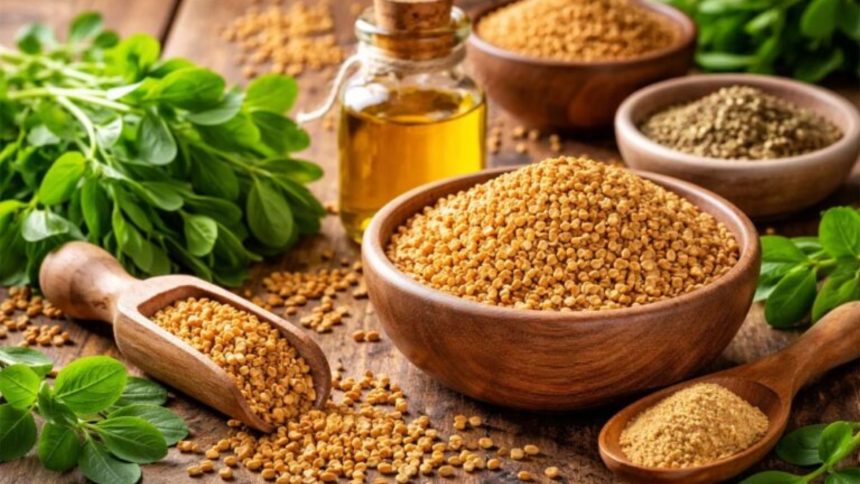
Have you ever come across a small, golden seed that carries centuries of history, healing, and flavor in its tiny form? That’s foenegriek, more commonly known as fenugreek. Whether you’ve tasted it in a curry, seen it in herbal remedies, or heard about its health benefits, this humble plant has quietly earned a powerful reputation across cultures.
In this article, we’ll explore everything you need to know—from its origins and uses to its surprising benefits and practical tips. Think of it as uncovering a hidden gem in your kitchen or garden.
What Is Fenugreek (Foenegriek)?
Fenugreek is a plant whose seeds and leaves have been used for thousands of years. It belongs to the legume family, the same group as beans and lentils. The seeds are small, hard, and slightly bitter, while the leaves are often used fresh or dried in cooking.
What makes it special is its versatility. You can cook with it, brew it into tea, or use it as a natural remedy. It’s like a multi-tool—simple, yet incredibly useful in different situations.
A Brief History of Fenugreek
Fenugreek isn’t new—it has deep roots in ancient civilizations. It was used in traditional medicine systems like Ayurveda and was even found in Egyptian tombs. That alone tells you how valuable people considered it.
In ancient times, it served multiple purposes:
- Medicine for digestive issues
- A spice for flavoring food
- A beauty ingredient for skin and hair
Over time, its popularity spread across Asia, the Middle East, and Europe. Today, it continues to be used worldwide, blending tradition with modern health trends.
Nutritional Profile: What’s Inside These Tiny Seeds?
You might be surprised by how nutrient-rich fenugreek is. Despite its small size, it packs a punch.
Key nutrients include:
- Fiber
- Protein
- Iron
- Magnesium
- Vitamins A, B, and C
It also contains plant compounds that support overall wellness. Imagine it as a tiny storage box filled with essential nutrients your body can benefit from.
Health Benefits of Fenugreek
Supports Digestive Health
If you’ve ever dealt with bloating or discomfort after meals, fenugreek might help. Its high fiber content supports smoother digestion and helps regulate bowel movements.
Helps Manage Blood Sugar
Fenugreek has been widely studied for its role in blood sugar control. It may slow down the absorption of carbohydrates, which helps prevent sudden spikes.
Boosts Heart Health
The fiber and natural compounds in fenugreek may help reduce cholesterol levels, supporting a healthier heart.
Aids in Weight Management
Because it promotes a feeling of fullness, fenugreek can help reduce overeating. Think of it as a natural appetite manager.
Supports Hormonal Balance
Fenugreek is often used to support hormonal health, particularly for women. It may help with menstrual discomfort and other hormonal changes.
Fenugreek for Hair and Skin
Hair Care Benefits
Fenugreek is a favorite in natural hair care routines. It is believed to:
- Strengthen hair roots
- Reduce dandruff
- Promote shine
Many people soak the seeds, grind them into a paste, and apply them as a hair mask.
Skin Care Uses
For the skin, fenugreek can be soothing. It may help with:
- Acne
- Dryness
- Minor irritation
It acts like a gentle herbal treatment that nourishes from the outside.
Culinary Uses: How Is Fenugreek Used in Cooking?
Fenugreek has a unique flavor—slightly bitter with a hint of sweetness. It’s commonly used in:
- Curries
- Spice blends
- Herbal teas
The leaves (often called “methi”) are also used in dishes. They add a rich, earthy taste that enhances the overall flavor.
If you’ve ever eaten a dish that had a deep, slightly nutty taste, there’s a good chance fenugreek played a role.
Different Forms of Fenugreek
You don’t have to stick to one form—fenugreek comes in several options:
- Seeds: Most common, used in cooking and remedies
- Powder: Ground seeds, easy to mix into food
- Leaves: Fresh or dried for cooking
- Capsules: Used as supplements
- Tea: Brewed for health benefits
Each form serves a different purpose, so you can choose what fits your lifestyle.
How to Use Fenugreek in Daily Life
Adding fenugreek to your routine doesn’t have to be complicated.
Simple ways to use it:
- Soak seeds overnight and drink the water in the morning
- Add powder to smoothies or meals
- Use leaves in cooking
- Brew it as herbal tea
Start small. A little goes a long way, especially because of its strong taste.
Possible Side Effects and Precautions
While fenugreek is natural, it’s still important to use it wisely.
Things to keep in mind:
- It may cause mild digestive discomfort in some people
- Pregnant women should consult a doctor before use
- It can interact with certain medications
As with anything, balance is key. Just because something is natural doesn’t mean more is always better.
Growing Fenugreek at Home
Did you know you can grow fenugreek easily at home?
All you need is:
- A small pot
- Soil
- Fenugreek seeds
Within a few days, you’ll start seeing sprouts. It grows quickly and doesn’t require much care. It’s like having your own mini herb garden right in your kitchen.
Why Fenugreek Remains Popular Today
In a world full of modern supplements and processed products, fenugreek stands out for its simplicity. People are returning to natural solutions, and this herb fits perfectly into that trend.
It’s affordable, accessible, and versatile. Whether you’re looking for better health, improved cooking, or natural beauty solutions, fenugreek offers something valuable.
Tips for Buying and Storing Fenugreek
To get the best quality, keep these tips in mind:
- Choose seeds that are bright and uniform in color
- Store in an airtight container
- Keep away from moisture and sunlight
Proper storage helps preserve its flavor and effectiveness.
Conclusion
Fenugreek, or foenegriek, is more than just a spice—it’s a bridge between tradition and modern wellness. From ancient remedies to everyday cooking, it continues to prove its worth in simple yet powerful ways.
Think of it like a quiet helper in your daily life—small, often overlooked, but incredibly effective when used right. Whether you’re exploring it for health, beauty, or flavor, fenugreek has something meaningful to offer.
FAQs
1. What does fenugreek taste like?
Fenugreek has a slightly bitter taste with a hint of sweetness, often compared to burnt sugar or maple syrup.
2. Can fenugreek help with hair growth?
Yes, it is commonly used in natural hair care routines and may help strengthen roots and improve hair texture.
3. How should I consume fenugreek seeds?
You can soak them in water overnight, add them to food, or brew them as tea.
4. Is fenugreek safe for daily use?
In moderate amounts, it is generally safe, but it’s best to consult a healthcare professional if you have medical conditions.
5. Can I grow fenugreek at home?
Yes, it’s easy to grow in small pots with minimal care, making it perfect for home gardening.